
What Is Social Media Marketing?
Social media marketing covers everything you do on platforms like Facebook, Instagram, LinkedIn, TikTok & co. to push your brand, products, or services. It can happen organically — meaning without spending a cent on reach — or paid, which we call paid social. The goal: get people's attention, interact with them, and turn them into loyal customers.
Organic Social Media – Slow but Steady
Organic social media is what you're doing when you simply post content and hope it makes the rounds. The goal is reach and interactions — likes, shares, comments — everything that comes from your community and can feed the algorithm. When a post racks up likes and comments, the algorithm kicks into gear. That's great for building a strong long-term bond with your audience and fostering brand loyalty. But: viral hits aren't guaranteed. Often your reach is limited to what your followers and their networks can deliver. And that takes time.
Paid Social Media – The Boost for Your Socials
Paid social is the exact opposite. You set up paid campaigns to push your campaign goals and deliberately reach the people you might otherwise never get in front of. The biggest advantages? You get results immediately and can target a very specific audience. Whether you're launching a new product or simply want more traffic — with paid social, you can floor it.
Organic vs. Paid Social – The Big Difference
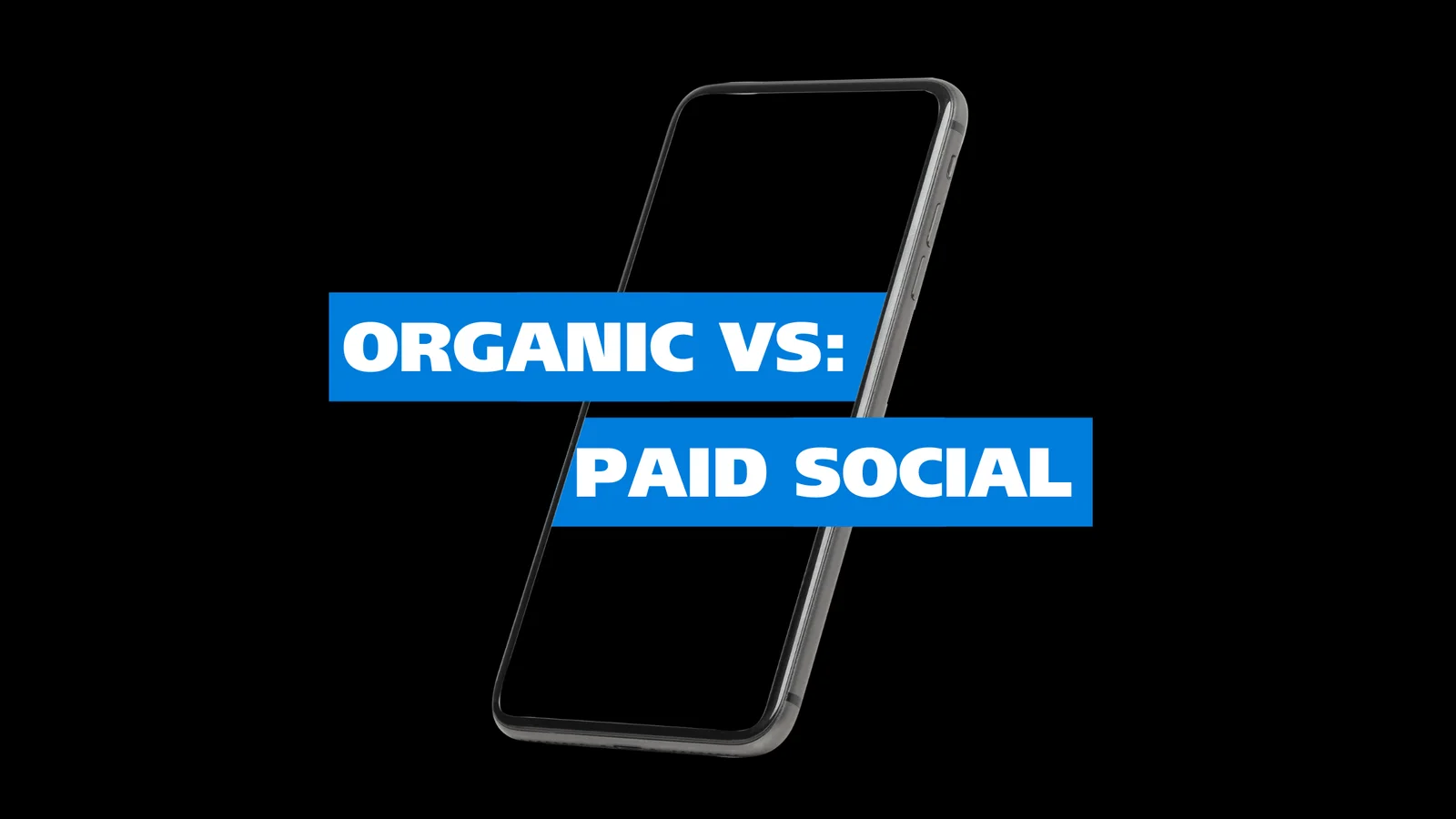
The main difference between organic and paid social is how your content gets distributed. Organic mainly speaks to your existing followers to drive their interactions and feed the algorithm. Paid social, on the other hand, lets you steer straight at your target audience — you get far more say in who sees your ads. Organic is great for long-term brand building, but if you want fast, measurable results, there's no way around paid social.
Why Paid Social Media Is a Must-Have
Let's look at why paid social belongs in your marketing toolbox:
1. Precisely Reaching the Right Audience
The biggest plus of paid social? You have full control over who sees your ads. With testing and targeting strategies, you can reach exactly the people who are genuinely relevant to your brand — based on demographics, interests, behaviors, and even previous interactions with your website. Whether you're aiming for a specific age group, a geographic location, or a niche interest, paid social lets you hit your audience with surgical precision.
Example: You sell vegan cosmetics? With paid social, you can target environmentally conscious people who've already shown interest in sustainable products. And not just once — again and again, through effective retargeting campaigns.
2. Immediate Results and Real-Time Flexibility
Unlike organic growth, which can take months or even years, paid social delivers measurable results instantly. You see exactly how many people your ads reached, who clicked, and who converted. Best of all: you can adjust your campaigns in real time, anytime. If an ad performs well, scale it fast. If it underperforms, tweak and optimize on the fly to squeeze out the best possible results.
Pro tip: run broad testing across different creatives, messages, and audiences. You'll quickly find what works most reliably and can keep refining your strategy.
3. Cost Control and Scalability
With paid social, you have full control over your budget. You decide how much to spend and can adjust anytime. That means you can start small, test your campaign, and ramp up the budget once you see it's working. That makes paid social especially attractive for companies looking for scalable solutions.
Example: You've launched a new product and want to start with a smaller budget to test the waters? No problem. Paid social lets you start flexibly and scale up the investment when the campaign performs.
4. A Wealth of Formats and Creative Freedom
Video, image, carousel ads, interactive story ads — paid social gives you a huge range of ad formats to put your brand in the spotlight. That means you can get creative and pick the best formats for your message. On platforms like Instagram and TikTok in particular, visually striking, attention-grabbing ads are essential for standing out from the crowd.
Tip: harness the visual power of videos and Reels to grab your audience emotionally and drive engagement. Short, punchy clips work especially well to win users' attention fast and get them clicking.
5. Retargeting: Winning Back Users Who Already Showed Interest
Paid social lets you specifically target users who've already visited your website or interacted with your brand. This retargeting option is worth its weight in gold — these users are far more likely to become customers than a cold audience. You can also use lookalike audiences to reach people who share traits with your existing customers, boosting your campaigns' efficiency even further.
Example: someone added an item to their cart in your online shop but didn't check out? With paid social, you can re-engage them directly and close the deal — for instance, by offering a discount.
6. Data-Driven Decisions for Sustainable Success
With paid social, you can track and analyze all your campaign data in detail. You gain valuable insights into which ads work best, which audiences respond most, and where you can optimize your budget. This data-driven approach lets you make informed decisions and continuously sharpen your strategy.
The Best Platforms for Paid Social Media
Facebook Advertising
Facebook remains one of the giants of paid social. With its massive user base and an incredible range of targeting options, it's ideal for companies targeting either a broad or a highly specific audience. Key points:
- Extensive targeting: Facebook offers one of the most detailed targeting systems, hands down. You can segment by age, gender, interests, and behavior — and build lookalike audiences of users who resemble your existing customers. That makes Facebook the ideal platform for unlocking new audiences with a likely affinity for your brand.
- A wide range of ad formats: from classic image and video ads to carousel ads, dynamic product ads, and lead generation campaigns. This format flexibility gives you the freedom to pick the right setup for every marketing goal.
- Facebook Pixel: an incredibly valuable tool for tracking user behavior on your website. With the pixel, you can run precise remarketing — for example, targeting users who added products to their cart but didn't buy. Or you optimize for conversions by letting the algorithm learn from your past buyers' data.
- Remarketing & custom audiences: Facebook lets you build custom audiences based on website interactions, email lists, or app activity. That means you can serve your most loyal users specific offers and lift your conversion rate. Facebook's strength lies in precise audience targeting and versatile ad formats — a top choice especially for larger brands and e-commerce companies.
Instagram Advertising
Instagram, Facebook's visual sibling, is the perfect platform for companies that rely on strong visual content. With high engagement rates and interactive features, Instagram offers plenty of potential for creative ad campaigns. The details:
- High engagement rates: Instagram has among the highest engagement rates of any social platform. Brands can build a close relationship with their community and interact directly with their audience. Users are active and engaged, making it easier to connect through ads.
- Visual ad formats: alongside classic photo and video ads, Instagram offers story ads, carousel ads, and Reels ads. Story ads in particular, running full-screen, are an excellent way to push limited-time offers or seasonal campaigns without getting lost in users' feeds.
- Instagram Shopping: tag products directly in posts and stories, dramatically simplifying the purchase journey. Potential customers can shop straight from your Instagram feed without ever leaving the app.
- Influencer marketing: Instagram is the platform for influencer marketing. Collaborations with influencers can dramatically boost your reach and brand awareness. Influencers are experts at creating authentic content that resonates with their followers — and that can translate directly into revenue.
- Reels: with Reels, you can create short-form creative videos with serious reach potential. Especially valuable for brands that want to set trends or ride viral moments.
Instagram is ideal for visually driven brands that want to build a close relationship with their audience and sell products directly through the platform.
TikTok Advertising
TikTok has established itself as the rising platform for creative, viral content, offering unique ways to connect with younger audiences. With its mix of fast, entertaining, and interactive ad formats, TikTok is ideal for launching fresh, trend-driven campaigns. The key points:
- A younger audience: TikTok is especially popular with younger users, reaching mainly millennials and Gen Z — perfect for brands targeting those demographics. If you want to position your brand as young and trendy, TikTok is your go-to.
- Creative, interactive ads: TikTok offers formats like in-feed ads, branded hashtag challenges, and branded effects that can be designed to be interactive and creative. Hashtag challenges and branded effects in particular invite users to participate and fuel viral potential. Users actively engage with your ads, deepening brand connection.
- Viral potential thanks to the algorithm: TikTok's algorithm is extremely good at matching content to users' interests. That raises the odds your ads reach the right people — even without a huge follower base. A creative ad can go viral fast and rack up enormous reach.
- Music and trend integration: TikTok is famous for its music and trend culture. You can tap current trends and popular sounds to make your ads feel fresh and of-the-moment. A bit of humor, a catchy soundtrack — and you've got users' attention on your brand.
Snapchat Advertising
Snapchat may live in the shadow of Instagram and TikTok, but it still has a strong user base, especially among younger audiences. So if millennials and Gen Z are your target, Snapchat is a solid choice. The platform shines with immersive, creative ad formats that actively involve users and invite participation. Key aspects:
- A young audience: like TikTok, the focus skews heavily young, making Snapchat ideal for brands targeting that demographic.
- Snap Ads and filters: run classic Snap Ads in your audience's stories, or work with sponsored filters and lenses that users can play with and share. Creative filters carry enormous viral potential.
- High interaction: the platform's unique, ephemeral content drives strong user engagement and interaction rates — ideal for pushing short-term promotions or limited-time offers.
What Does Social Media Advertising Cost?
It depends. Instagram and TikTok use different pricing models based on either PPC (pay-per-click) or an auction system. Simply put: you either pay per click, or you bid against other advertisers for the best ad placement.
- Instagram: CPC (cost per click) typically runs between €0.50 and €3.00, while CPM (cost per 1,000 impressions) usually hovers between €5 and €10.
- TikTok: CPCs are somewhat cheaper here, often between €0.10 and €1.00, but also dynamic, since the platform is still growing.
- Snapchat: and then there's Snapchat. Here you typically pay €0.50 to €1.00 per swipe-up (the click equivalent), while CPM usually lands between €2 and €8.
Best Practices for Paid Social Media
Let's wrap it up!
- Test different creatives: forget your old detective shows — testing is your real best friend. Running different versions of your ads against each other gives you priceless insights into what performs best.
- Bet on quality: your visuals have to rock. Nobody stops scrolling for pixelated images or boring videos.
- Know your audience: understand your audience and speak to them directly. The better you know your target group, the better your ads perform.
- Get creative: boring ads get you nowhere. Stand out, be unique, and pull people out of scroll mode.
- Always be optimizing: check your numbers regularly and adjust your campaigns. The beauty of paid social? You can optimize and improve at any time.
Bottom Line
If you want to succeed in social media marketing today, you need a healthy balance between organic and paid social strategies. But let's be honest: paid social is the absolute game changer. Sure, organic posts are nice for long-term brand building — but if you really want to hit the gas and see immediate results, there's no way around paid advertising.
Paid social gives you the power to put your brand in front of exactly the right people — right now. With precise targeting, flexible budget control, and an incredible range of creative options, you turn your campaigns into genuine revenue drivers. Whether you're launching, scaling your reach, or simply chasing more sales — paid social gets you the maximum. So what are you waiting for? Time to light up your ads and take off! 🚀